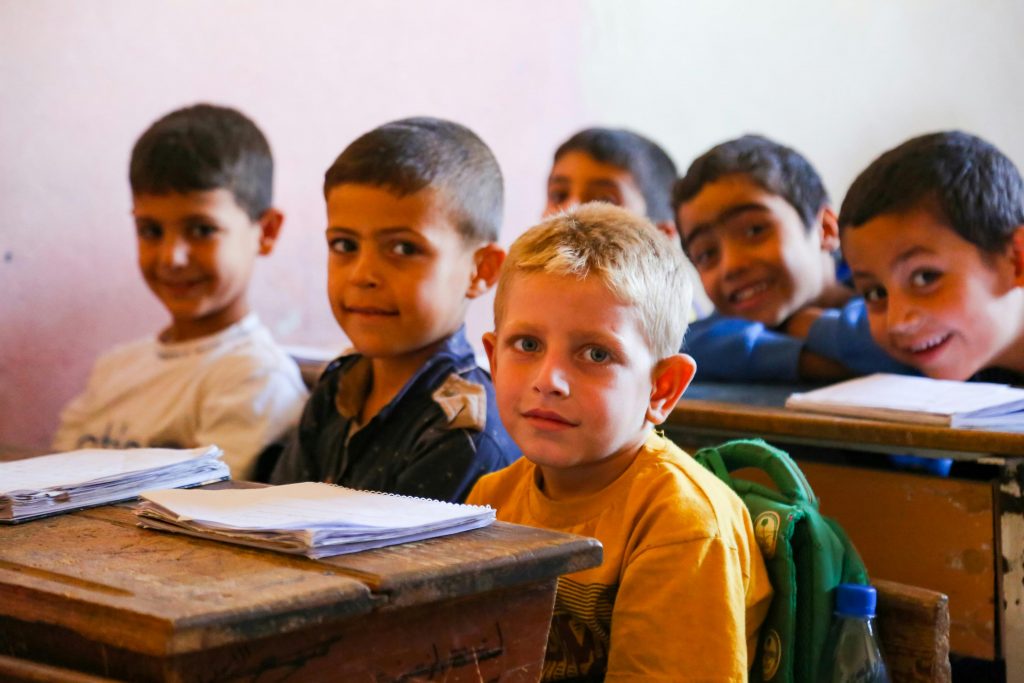
Lying in early elementary years is more common than many parents expect. Around grade one, children are still learning the difference between truth, imagination, and consequences. When a child lies, it is rarely about being “bad.” More often, it is a form of communication—a small window into how they are thinking, feeling, or coping.
At this age, children are still developing their understanding of the world. Imagination and reality often overlap. A story they tell may feel completely real to them, even if it isn’t factually true. At other times, memory itself is still forming—details can be mixed up, forgotten, or retold in a different order.
There are also emotional reasons behind lying. A child may lie to avoid getting into trouble, especially if consequences feel unpredictable or too harsh. Others may do it to gain attention, to impress, or simply to feel noticed. Sometimes, lying is a way to protect oneself from feelings like embarrassment, fear, or shame.
Understanding the “why” behind the behavior changes everything.
Instead of reacting immediately, it helps to pause and respond with curiosity. A calm question, such as, “Can you tell me what happened?” creates safety. When children feel safe, they are far more likely to tell the truth.
How we respond in these moments shapes what our children learn about honesty.
Children need to understand that honesty builds trust—but they also need to feel that telling the truth won’t always lead to harsh reactions. When a child admits a mistake, even after initially lying, it’s important to acknowledge that honesty. A simple response like, “I’m really glad you told me the truth,” reinforces the behavior we want to see.
Consistency also plays a powerful role. Clear expectations and fair, predictable consequences reduce the need for children to lie out of fear. When children know what will happen, they feel more secure—and less driven to avoid the truth.
Equally important is modeling. Children watch closely. When adults admit mistakes, apologize, and repair situations honestly, children learn that truthfulness is safe and valued.
Using color as a gentle therapeutic tool
One of the most beautiful ways to support children in understanding their feelings—and their choices—is through color.
While color-based activities are not a “treatment” for lying, they can be incredibly powerful tools for emotional expression. Many young children don’t yet have the language to explain what they feel, but they can show it through color.
Art opens a quiet door.
A child might be asked to draw an event and choose colors that represent how they felt. A dark shade might reflect fear, a grey tone confusion, or a bright color a need for attention. What matters most is not what the color means to us, but what it means to them.
You might gently ask, “What color was that feeling?”
And suddenly, something unspoken becomes visible.
Color can also be used in simple role-play. Imagine offering different colored cards—each representing a choice: telling the truth, asking for help, or apologizing. The child chooses a color, and together you explore the outcome. This transforms learning into something playful and safe.
Even storytelling can include color. As a child listens to a story about honesty, they can color alongside it, connecting emotions to actions in a natural, non-pressured way.
These small, creative approaches do something powerful—they reduce anxiety. They allow children to reflect without feeling judged. And in that space, honesty can begin to grow.
Guiding children forward
When lying becomes a pattern, gentle guidance is key. Private conversations—rather than public corrections—help preserve a child’s dignity. Talking about how actions affect others builds empathy, while discussing solutions helps children learn what to do instead next time.
In most cases, lying at this age is a passing phase. With patience, consistency, and emotional support, children naturally grow into a clearer understanding of honesty and trust.
As parents, we can find it unsettling to see our child lie, even in small ways. But these moments are not signs of failure—they are opportunities. Opportunities to teach, to connect, and to gently guide. When we respond with calm, understanding, and consistency, we are not just correcting behavior—we are building trust, strengthening communication, and helping our children grow into honest, confident individuals. And in that quiet, steady guidance, something truly meaningful takes shape.