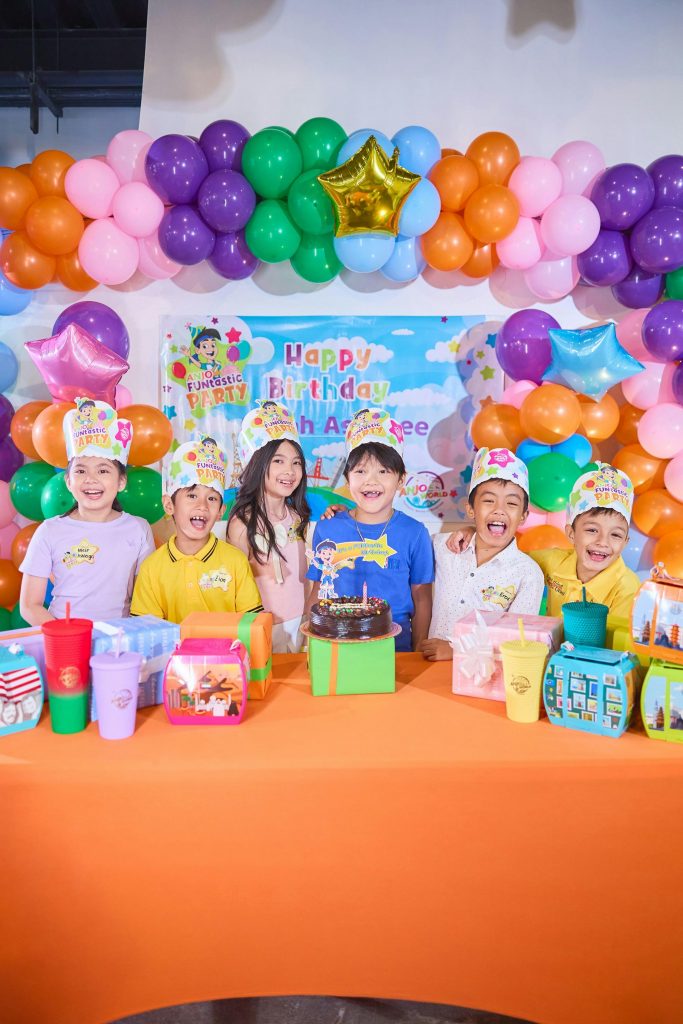
Colorful birthday parties are central to childhood joy — bright decorations, bold cakes, and playful themes create excitement, memory, and social connection. Beyond aesthetics, color influences mood, attention, and the tone of a party.
Should children be forced to invite the whole class?
- No, not always. In some communities, expecting a child to invite every classmate is common to avoid hurt feelings, but it’s not universally required. Consider the context:
- School culture and norms: If most parents follow “invite all” expectations, excluding classmates can create social friction.
- Child’s comfort and social skills: Shy or anxious children may be overwhelmed by a large group; forcing inclusions can increase stress.
- Practical limits: Space, budget, and supervision capacity matter.
- Alternatives and compromises:
- Class-wide invitations for larger events (e.g., cake at school) while keeping the private party smaller.
- Host a classroom treat or small activity for everyone to acknowledge peers without a full invitation.
- Use invitation rules you set clearly (e.g., invite any classmate your child plays with regularly).
At what age is it appropriate to invite just one or two friends?
- Preschool (3–5 years): Small group parties are typical and often preferred — 3–6 children plus caregivers work well.
- Early elementary (K–2): Parties with a close circle of 4–8 friends are appropriate; by age 6–7, children start to understand exclusivity but still benefit from smaller gatherings.
- Later elementary (grades 3–5): Bigger parties become easier to manage socially; groups of 8–15 are common, though closeness matters.
- Teens: Children can generally choose their guest list, and smaller or themed gatherings with close friends are typical.
Tips for handling invitations and hurt feelings
- Be transparent: Explain your reasons to your child and to parents of excluded kids if asked.
- Offer inclusive gestures: Bring a treat to class, organize a playdate later, or invite a broader group to a low-key activity.
- Set clear rules: “You can invite up to X friends” prevents last-minute conflicts and teaches planning.
- Practice empathy: Role-play how exclusion feels and encourage your child to consider others’ feelings.
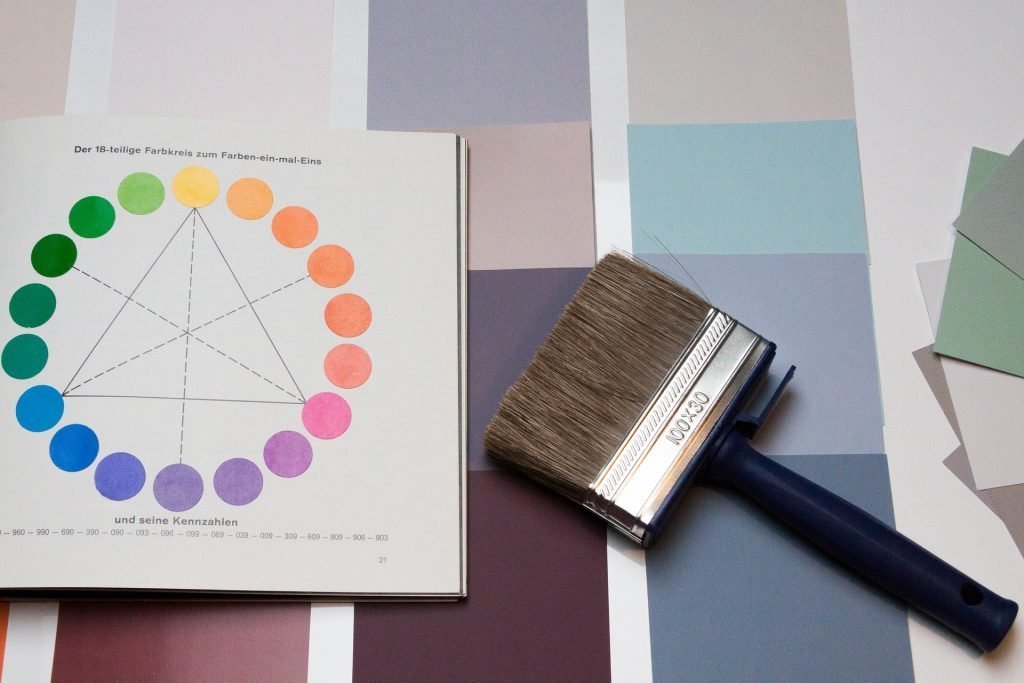
Colors we normally see at parties
- Primary colors (red, blue, yellow): Bold, high-contrast, and energetic — common for classic kids’ parties because they read clearly and feel lively.
- Secondary and pastel palettes: Greens, purples, oranges, and pastels (mint, lavender, peach) are popular for themed or age-tailored celebrations.
- Theme-driven palettes: Characters and trends determine palettes (superhero = primary brights; unicorn = pastel rainbow; tropical = neon brights).
- Metallics and neutrals: Gold, silver, and white balance vivid hues for a more “grown-up” or photo-friendly look.
Why kids love bright, colorful cake decorations
- Visual stimulation: Bright colors capture attention and heighten excitement before the party even starts.
- Symbolic celebration: Bold colors signal festivity, making the cake feel special and ceremonial.
- Memory and association: Repeated exposure to colorful treats links them to positive memories and reward.
- Personalization: Favorite colors or characters on a cake make the child feel seen and celebrated.
Using color intentionally in party design
- Set the mood: Bright primaries = high energy; pastels = gentle and whimsical; muted tones = sophisticated or calming.
- Coordinate across elements: Balloons, tableware, cake, and activities in a unified palette look polished and stimulate a coherent sensory experience.
- Use color to manage energy: If you expect high activity, add calming color zones (soft seating with blues/greens) where kids can decompress.
- Theme and inclusivity: Let the birthday child pick standout colors, but balance with elements that feel welcoming to guests.
Practical party-color ideas by age
- Toddlers/preschool: Primary brights, simple balloons, cupcake towers with single-color icing.
- Early elementary: Character palettes or rainbow themes with interactive decor (color stations, craft tables).
- Tweens: Two-tone palettes (e.g., teal + gold) or themed monochromes for a more mature look.
- Teens: Sophisticated palettes (black + rose gold, navy + copper) or neon accents for bold photos.
Bottom line: Color is central to children’s birthday parties: it creates excitement, frames the theme, and supports memory-making. Inviting the whole class isn’t always necessary—consider your child’s temperament, community norms, and practical limits. Small guest lists are appropriate for younger children as kids grow they can handle larger groups. Use color intentionally to shape mood, manage energy, and make the birthday child feel celebrated